Mastering Ceiling Tile Replacement Methods
- Anthony Carnicella

- 6 hours ago
- 4 min read
Replacing ceiling tiles might seem like a daunting task, but with the right approach, it can be straightforward and even satisfying. Whether you’re refreshing a tired ceiling or fixing damage, knowing the best ceiling tile replacement methods will save you time and effort. I’ve walked through this process many times, and I’m here to share what works best.
Understanding Ceiling Tile Replacement Methods
Before diving into the actual replacement, it’s important to understand the different methods available. Ceiling tiles come in various materials and sizes, and the way you replace them depends on your ceiling type and the condition of the tiles.
Here are the most common ceiling tile replacement methods:
Drop Ceiling Tile Replacement
This is the easiest method. Drop ceilings have a grid system where tiles simply rest. You lift the damaged tile out and drop a new one in place. No tools required, just a bit of care to avoid damaging the grid.
Glue-Up Ceiling Tile Replacement
Some tiles are glued directly to the ceiling. Removing these requires scraping off the old tile and adhesive, then applying new glue and tiles. This method takes more time and effort but works well for permanent installations.
Suspended Ceiling Tile Replacement
Similar to drop ceilings but often with heavier tiles or different grid systems. You may need to remove part of the grid or tiles around the damaged one to access and replace it.
Direct Mount Ceiling Tile Replacement
Tiles are nailed or screwed directly to the ceiling. Replacing these involves removing fasteners, taking down the tile, and installing a new one with nails or screws.
Each method has its pros and cons, but knowing which one applies to your ceiling will make the process smoother.

Step-by-Step Guide to Ceiling Tile Replacement Methods
Let’s walk through a typical drop ceiling tile replacement since it’s the most common and homeowner-friendly method. If your ceiling uses a different method, the steps will be similar but may require additional tools or prep.
What You’ll Need:
Replacement ceiling tiles (make sure they match size and style)
Ladder or step stool
Gloves (optional, for protection)
Measuring tape (to confirm tile size)
Utility knife (if trimming is needed)
Steps:
Identify the damaged tile
Look for stains, cracks, or sagging. Mark it mentally or with a small piece of tape.
Prepare your workspace
Set up your ladder safely under the tile. Clear the area below to avoid accidents.
Remove the damaged tile
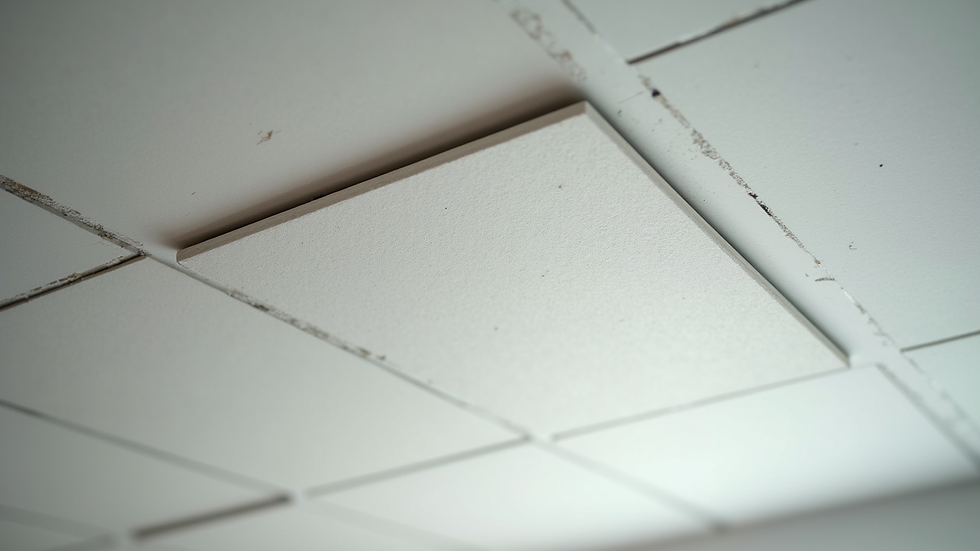
Gently lift the tile up and tilt it to slide it out of the grid. Be careful not to bend the grid or damage surrounding tiles.
Measure the tile
Double-check the size of the tile you removed. Ceiling tiles usually come in standard sizes like 2x2 feet or 2x4 feet.
Cut the new tile if necessary
If your replacement tile needs trimming, use a utility knife and a straight edge to cut it to size.
Install the new tile
Tilt the new tile into the grid and lower it into place. Make sure it sits flat and even.
Clean up
Dispose of the old tile properly and tidy your workspace.
This method is quick and effective for most drop ceilings. For glued or direct mount tiles, you’ll need to add steps for removing adhesive or fasteners.
Can I Just Replace My Ceiling Tile with a Different One?
This is a common question. The short answer is yes, but with some important considerations.
Mixing different ceiling tile styles or materials can affect the overall look and performance of your ceiling. Here’s what to keep in mind:
Size and Fit: Tiles must fit the existing grid or mounting system. Even a slight size difference can cause gaps or unevenness.
Material Compatibility: Different materials have different weights and acoustic properties. Mixing heavy tiles with light ones can strain the grid.
Appearance: Tiles with different textures, colors, or patterns may clash and reduce the aesthetic appeal.
Fire and Safety Ratings: Some tiles have specific fire ratings or certifications. Replacing with a non-rated tile could affect safety compliance.
If you want to change the style or upgrade your ceiling, it’s best to replace all tiles or at least all tiles in a section for a uniform look. However, if you’re just fixing a damaged tile, matching the existing tile is the safest bet.
Tips for a Smooth Acoustic Ceiling Tile Replacement
When it comes to acoustic ceiling tile replacement, there are a few extra things to consider. Acoustic tiles are designed to absorb sound, so maintaining their integrity is key.
Handle with care: Acoustic tiles can be fragile. Avoid bending or dropping them.
Check for mold or moisture damage: Acoustic tiles are often affected by humidity. If you see signs of mold, address the source before replacing tiles.
Use proper adhesives: If your tiles are glued, use adhesives recommended for acoustic tiles to maintain sound absorption.
Maintain air gaps: Some acoustic tiles rely on air gaps behind them for sound control. Don’t seal them too tightly.
By following these tips, you’ll keep your ceiling both functional and attractive.
When to Call a Professional for Ceiling Tile Replacement
While many ceiling tile replacements are DIY-friendly, there are times when calling a pro makes sense:
Extensive damage: If multiple tiles are damaged or the grid is bent, a professional can assess and repair the whole system.
Ceiling height: Very high ceilings require special equipment and safety measures.
Complex ceiling types: Suspended or glued ceilings with intricate designs may need expert handling.
Electrical or plumbing nearby: If tiles cover wiring or pipes, a professional can avoid accidental damage.
Professionals also ensure a paint-ready finish and quality craftsmanship, which is especially important for commercial spaces or homes where appearance matters.
Final Thoughts on Ceiling Tile Replacement Methods
Replacing ceiling tiles is a manageable project with the right knowledge and tools. Whether you’re tackling a single damaged tile or refreshing an entire ceiling, understanding the ceiling tile replacement methods will help you get the job done efficiently.
Remember to measure carefully, choose matching tiles, and handle materials gently. If you’re ever unsure, don’t hesitate to reach out to experts who specialize in drywall and acoustic ceiling work. Quality craftsmanship makes all the difference in achieving a clean, professional look.
With these tips and steps, you’re well on your way to mastering ceiling tile replacement and enjoying a fresh, beautiful ceiling.


Comments